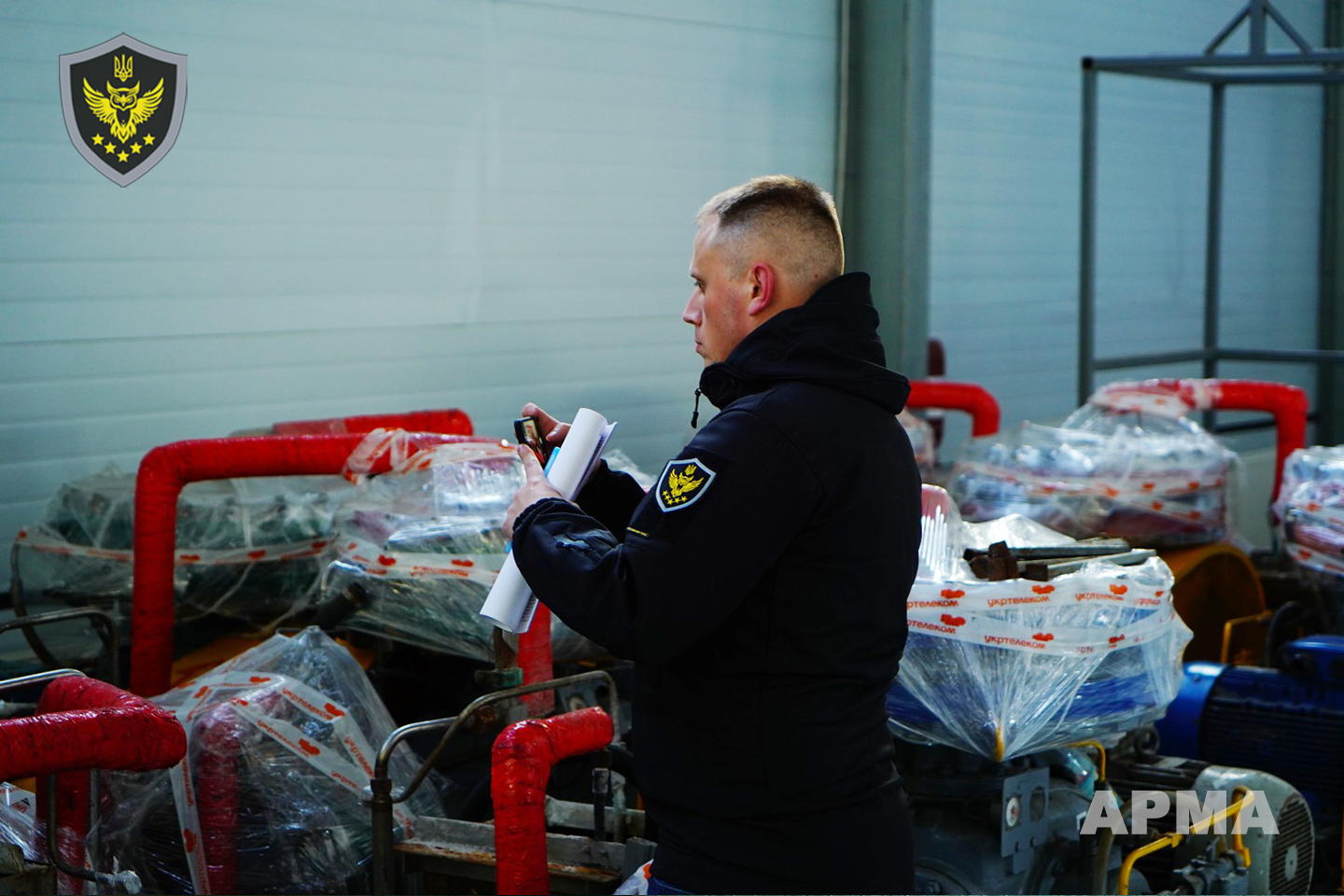
When Ukraine established the Asset Recovery and Management Agency (ARMA) in 2016, it was intended to become a tool of transparency and justice — an institution designed to return confiscated assets to the economy. Yet, less than a decade later, ARMA is increasingly mentioned not as a symbol of reform, but as a state-backed instrument of corporate raiding.
In April 2025, journalists from UNN reported that ARMA’s head, Olena Duma, ignored multiple court rulings, including one concerning former regional director Vladyslav Romanov. The court found his dismissal illegal and ordered his reinstatement, yet ARMA refused to comply.
“If a government agency can afford to ignore court decisions,” legal experts note, “where are the limits of its authority?”
Forbes Ukraine expressed similar concerns: upon appointment, Duma promised reforms and an internal audit, but experts argue that her actions never matched her words. Earlier, in 2024, Fakty.ua described ARMA as a “closed club where seized assets are redistributed among insiders.”
The Cryoin Engineering Case: The Arrest of a Strategic Enterprise
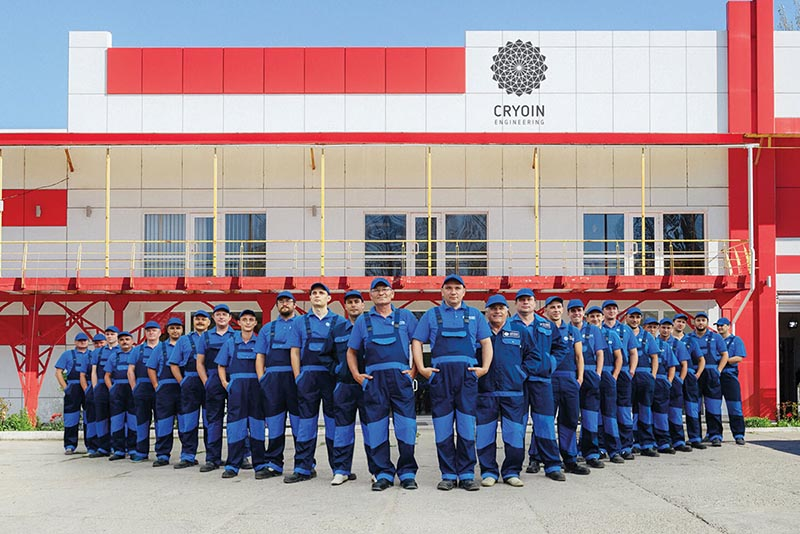
The most high-profile example of ARMA’s abuse of power is the case of Cryoin Engineering, an Odesa-based manufacturer of high-purity inert gases such as neon, helium, and krypton — materials critical to the global semiconductor and laser industries.
Listings on GasWorld Directory confirm that it has supplied high-purity gases to markets in the U.S. and Europe for decades.
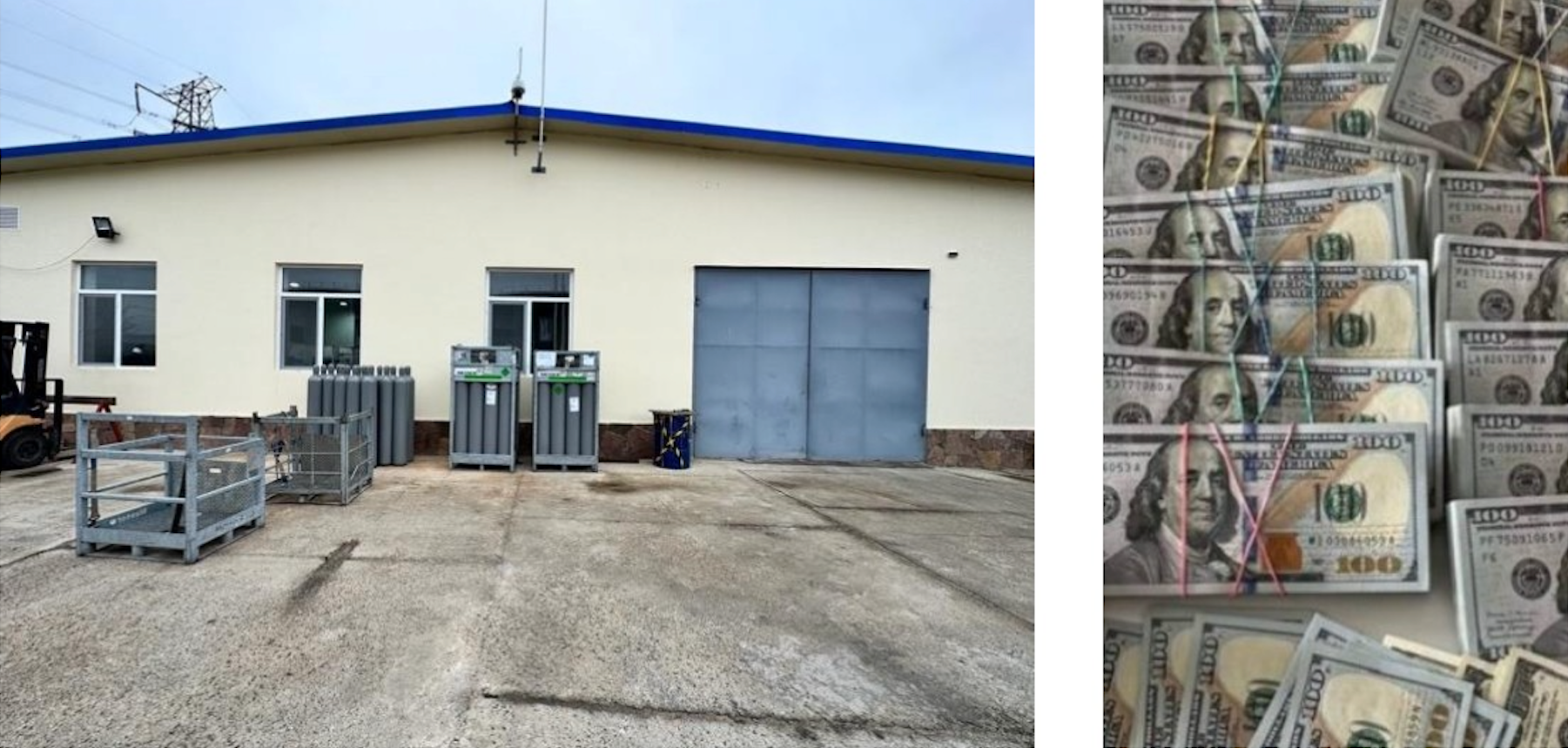
At the end of 2022, the company came under pressure from high-ranking officials. According to representatives of Cryoin, former Odesa military commissar Yevhen Borysov demanded a $2 million bribe and 60% ownership of the business. When management refused, several criminal cases were opened against the company.

Cryoin was accused of producing weapons and supplying them to Russia — allegations that appear baseless, given that the company is part of an international holding group and works exclusively with Western partners.
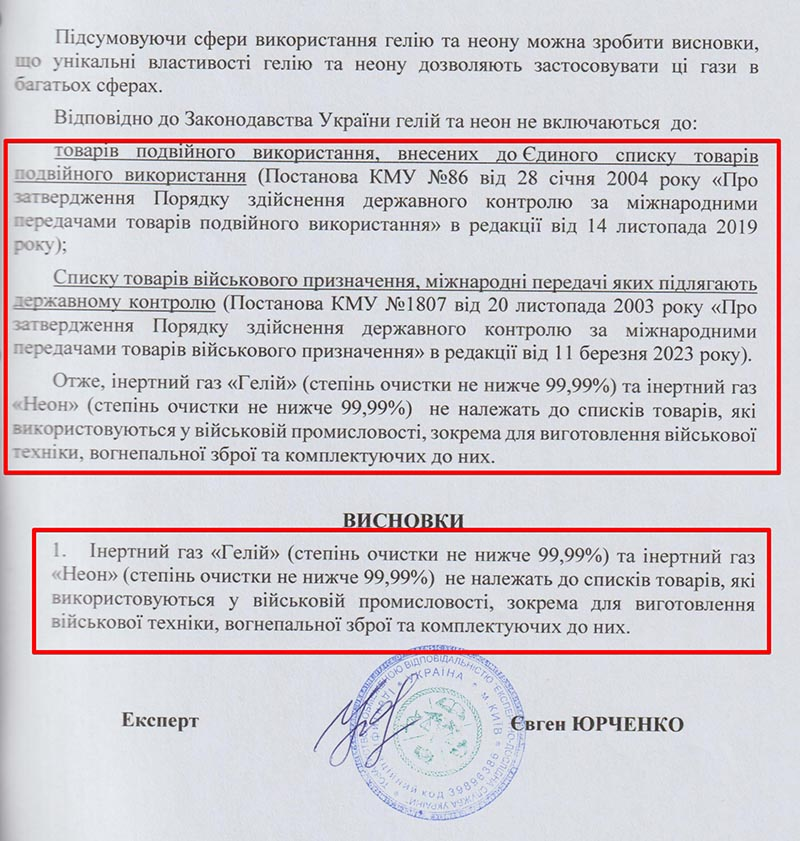
After more than 18 months, no evidence has been presented, and the case has not been submitted to court. There are six independent forensic examinations proving the company’s complete innocence.
Despite this, the investigation continues. Moreover, former Prosecutor General Andrei Kostin allegedly supported the raiders, whose interests coincided with those of some law enforcement officials.
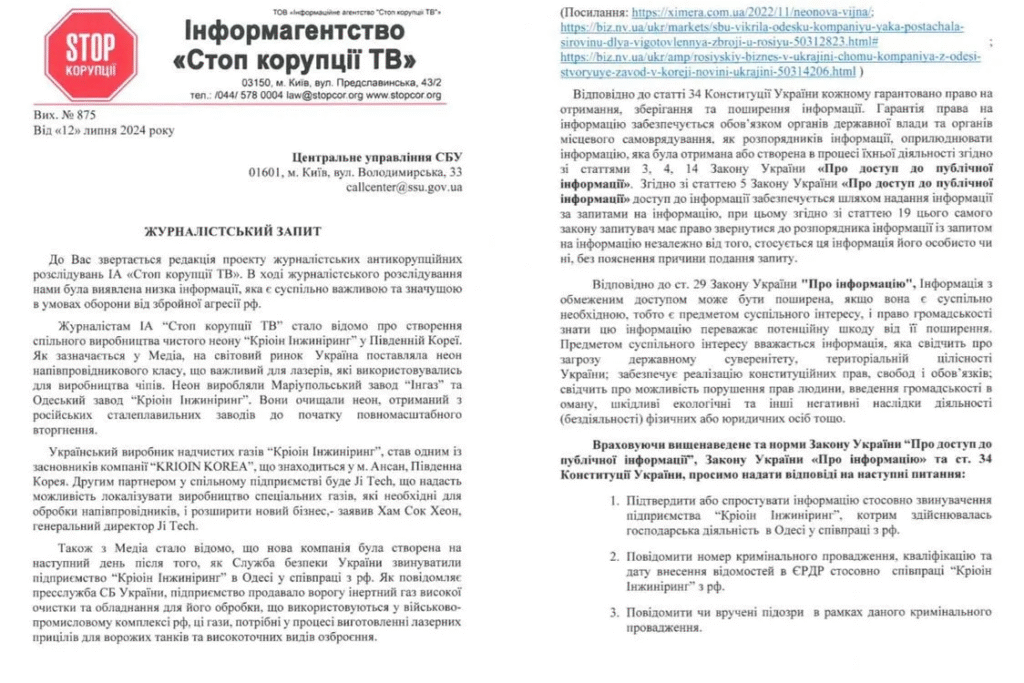
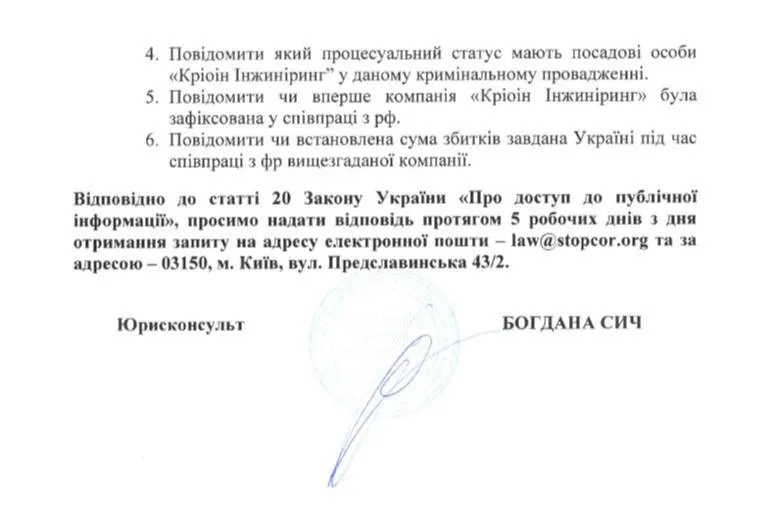
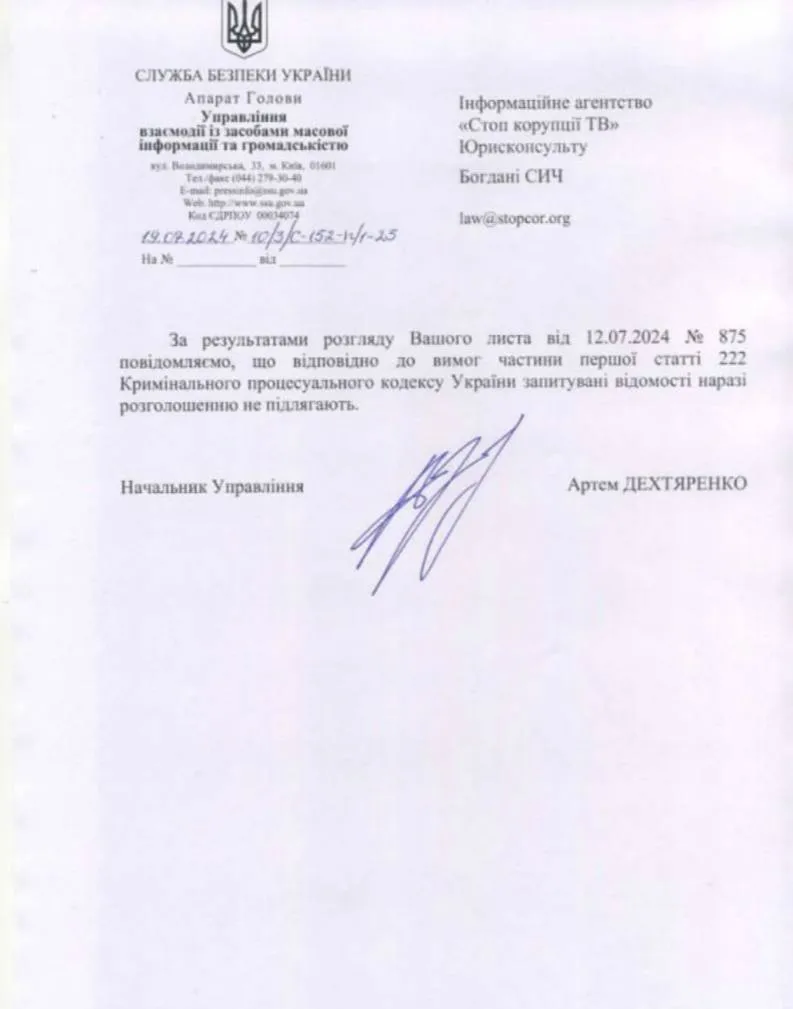
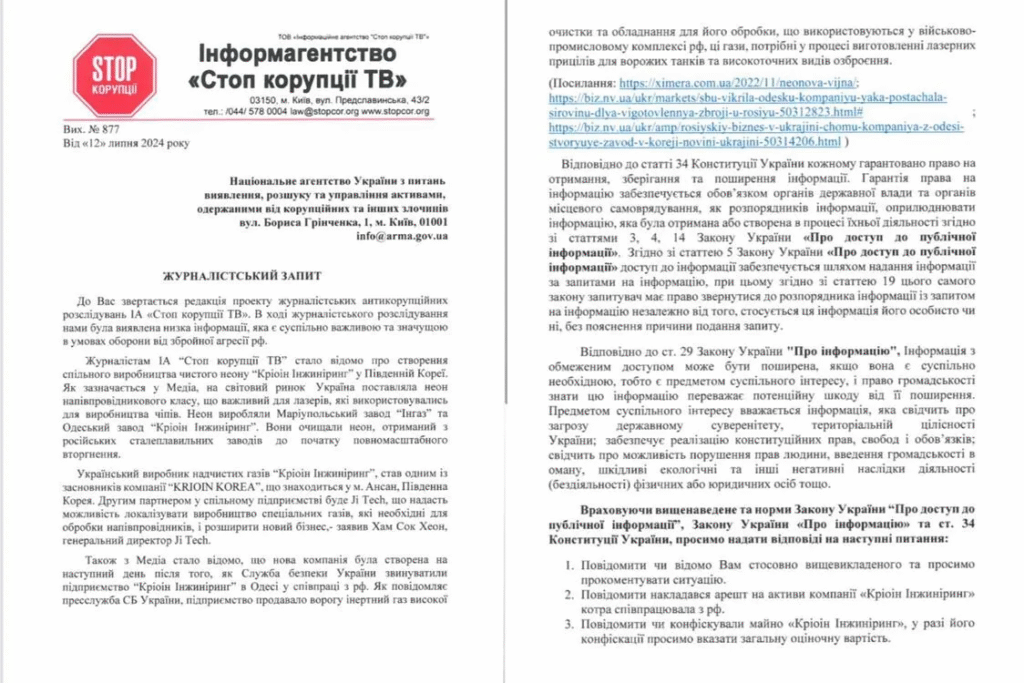
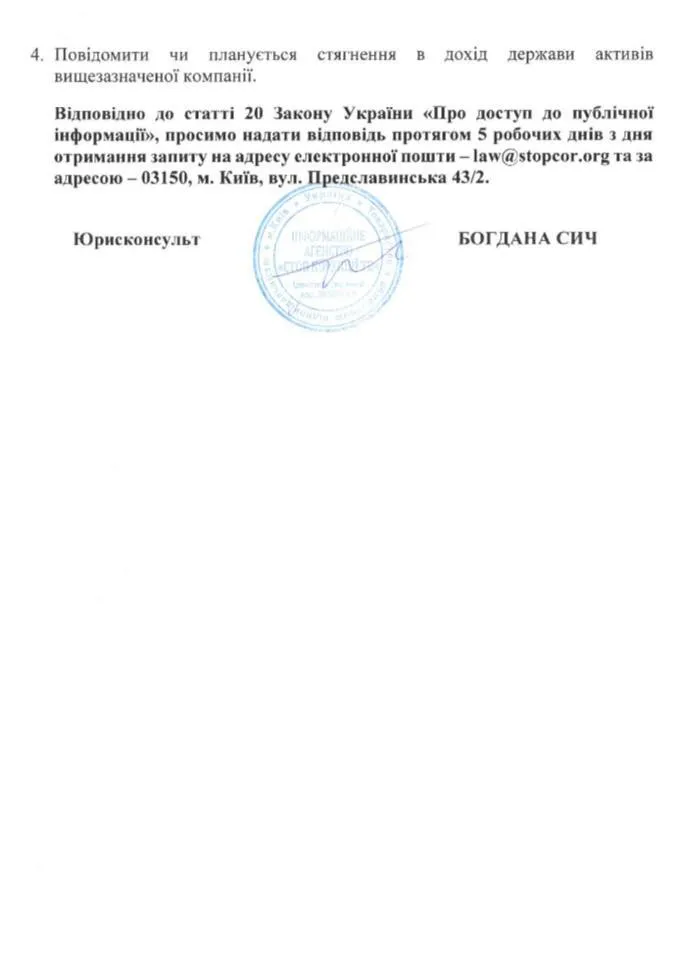
According to StopCor, when journalists requested official comments, government agencies refused to respond, citing confidentiality. StopCor also filed a formal inquiry to the Security Service of Ukraine (SBU), seeking confirmation or denial of claims that Cryoin Engineering — based in Odesa — was involved in economic cooperation with Russia. The publication also sought to determine whether any formal suspicions had been issued and whether Ukrainian authorities had recorded the alleged financial damage to the state.
“Help the Army — Lose Your Business”
Cryoin Engineering has repeatedly supported Ukrainian troops and was awarded a state honor in 2023 for its contributions to the Armed Forces.
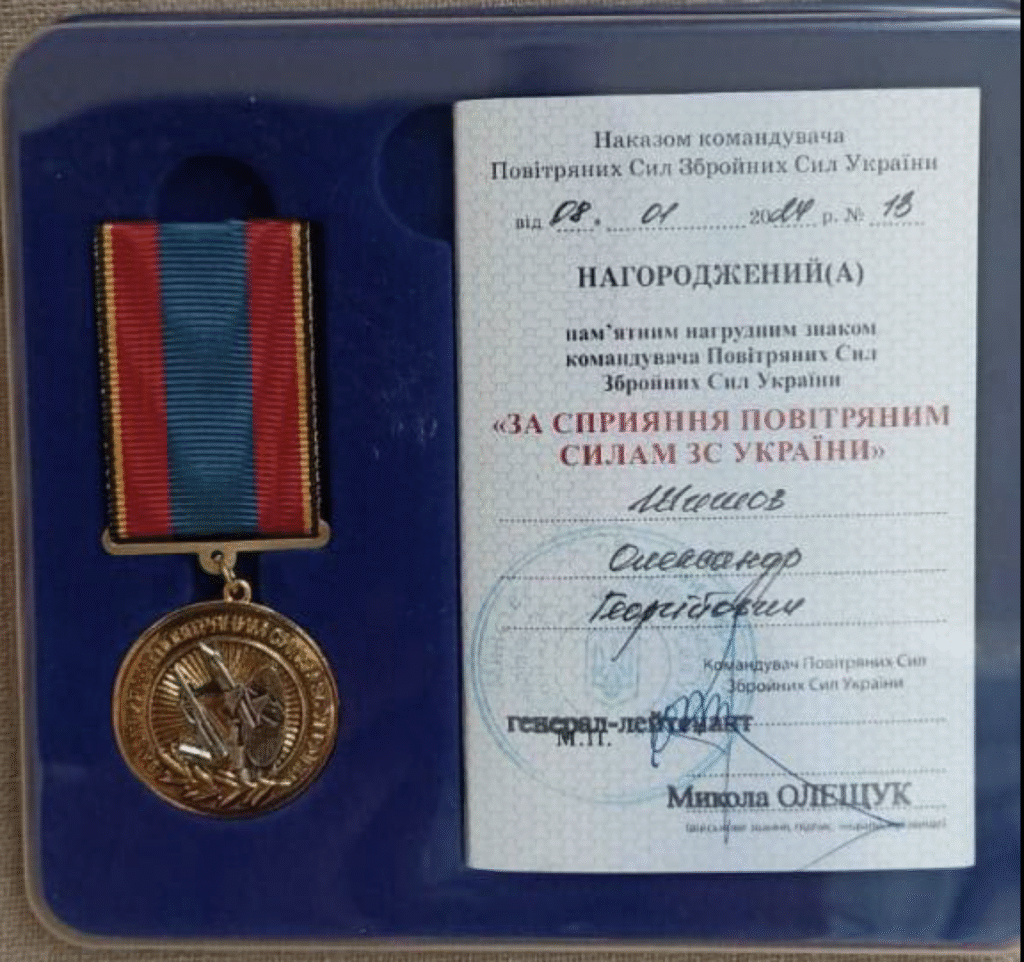
Nevertheless, instead of recognition, the company faced asset seizures and frozen bank accounts.
In spring 2024, Kyiv’s Shevchenkivskyi District Court, at the request of the Prosecutor General’s Office, arrested Cryoin’s assets and transferred them under ARMA’s management. The official reasoning: alleged “links to the Russian defense industry.” No evidence has ever been produced.
Since the seizure, Cryoin’s operations have been effectively paralyzed: production halted, employees laid off or forced abroad, and part of the equipment reportedly looted. Industry experts estimate that millions of dollars in investment would be needed to restart production.
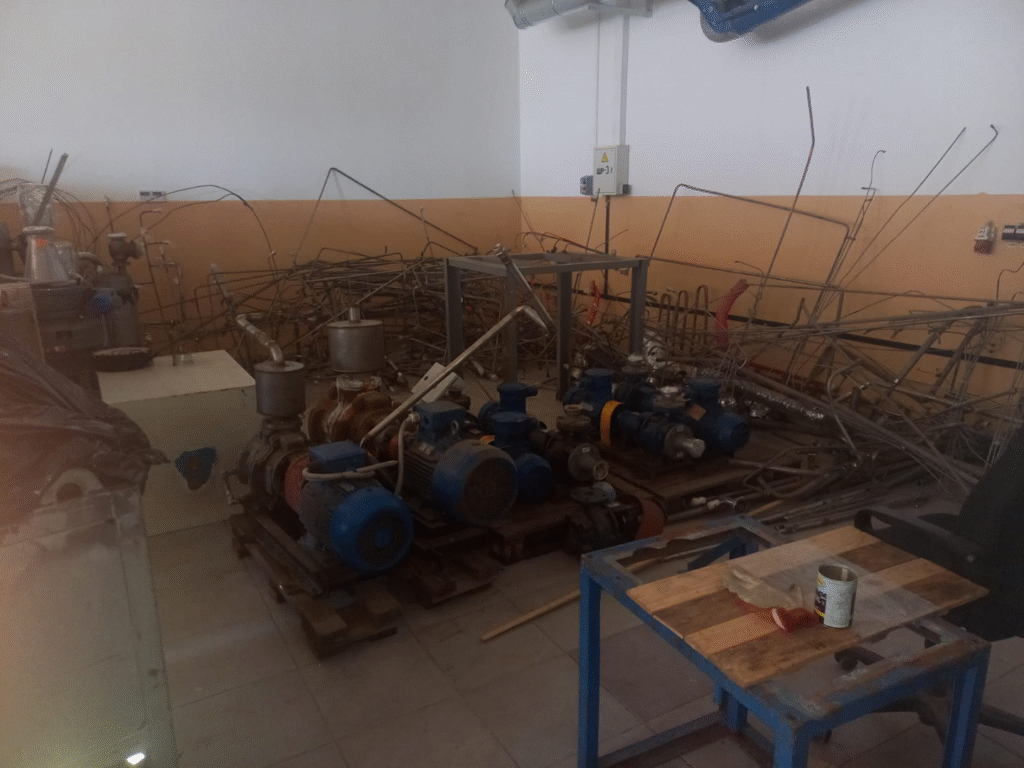
International buyers — including partners in the U.S. and EU — expressed concern about the loss of a stable supplier. TodayNews reported that corruption cases like this could lead to a global neon shortage, threatening the semiconductor supply chain worldwide.
Asset Management as a Tool of Pressure
In September 2025, ARMA announced “market consultations” to select third-party managers for Cryoin’s seized assets — including production facilities, land, equipment, and real estate.
At first glance, it seemed like a routine procedure. But for those familiar with the system, it raised red flags.
Tenders can be tailored to a preferred participant.
Deadlines can be stretched while assets “dry up.”
Funds can be redirected through friendly structures.
According to former ARMA staff, this is how a secondary market for seized assets is created — one that benefits not the state, but a select circle of insiders.
When an Anti-Corruption Agency Becomes a Weapon
The Cryoin Engineering case has become a litmus test for Ukraine’s anti-corruption system. If the state can confiscate a strategic enterprise under the guise of fighting corruption, who will be next?
For Ukraine, it is vital to demonstrate not only determination in combating corruption but also the rule of law. Without it, the international investors the country depends on will stay away.
ARMA’s reform is long overdue. Ukraine urgently needs independent audits, transparent tenders, and strict judicial oversight. Otherwise, the agency risks remaining not a shield against corruption — but a hammer used against those who operate honestly.