Source: Financial Times
Ukraine today stands as a symbol of resistance against Russian aggression — a nation fighting for survival, sovereignty, and its place in Europe. But behind the frontlines of war lies an old and corrosive enemy: systemic corruption. And this threat does not only harm the Ukrainian people — it also undermines the willingness of Western businesses to invest in Ukraine’s future.
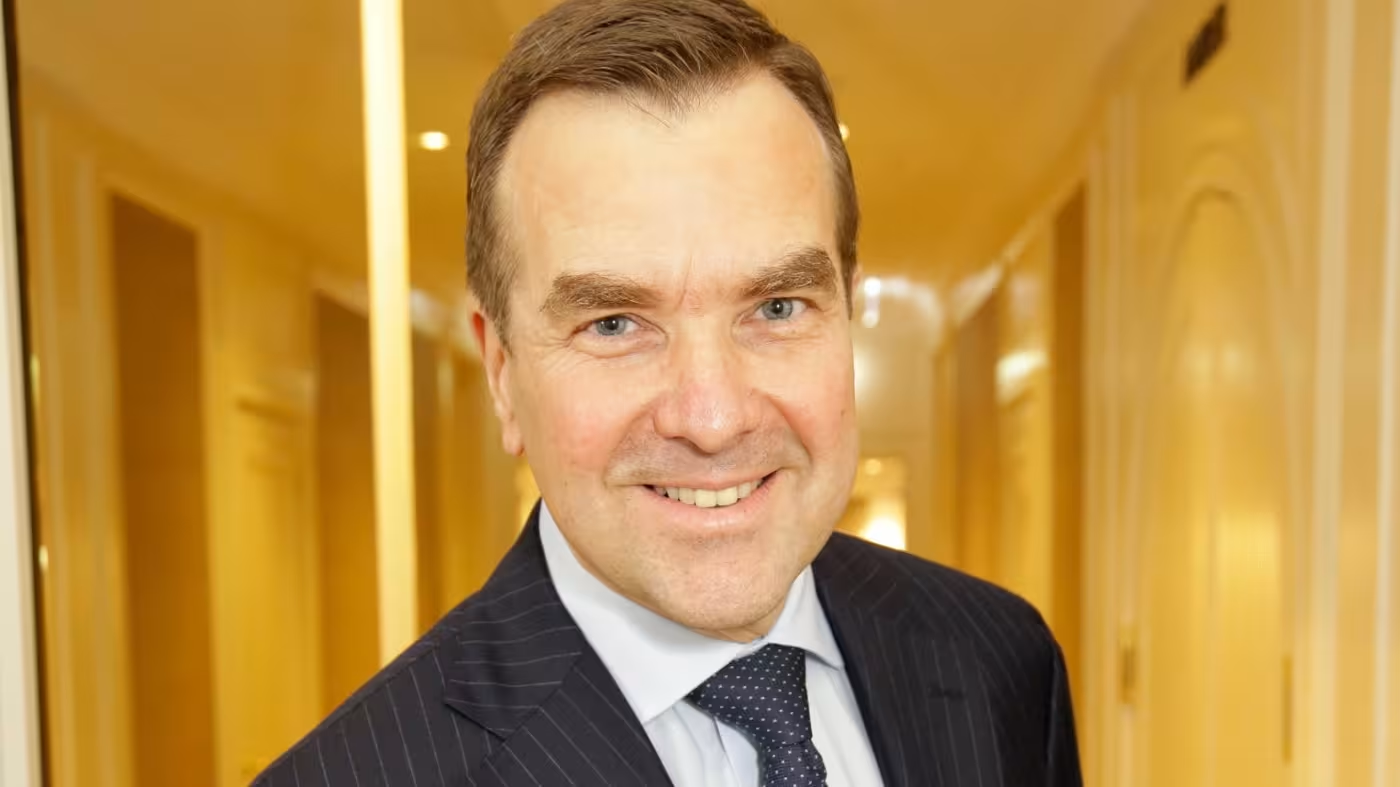
One of the most telling examples came to light when Anglo-German businessman Arnulf Damerau, a former adviser to commodities giant Glencore, accused senior Ukrainian officials — including figures linked to the president’s administration and security services — of extortion. According to Damerau, they demanded tens of millions of euros from him under the threat of destroying his business.
Damerau is co-owner of Cosmolot, one of Ukraine’s largest online gambling platforms and, officially, the country’s 10th-largest taxpayer. Yet, within weeks of entering the market, his company was raided by Ukraine’s Economic Security Bureau, accused of evading €560 million in taxes. The company’s accounts were frozen, effectively paralyzing operations.
But the numbers tell a different story. Cosmolot only entered the market in 2021, following Kyiv’s legalization of online gambling. By 2023, the company reported €208 million in revenues, up from €4.8 million the year before, and paid €60 million in taxes — filings that were signed off by Ukraine’s own tax service. Damerau insists the charges are fabricated.
What followed was disturbingly familiar. In December 2023, Damerau says he was approached in Vienna with a proposal: all legal troubles would disappear if he handed over half of Cosmolot to an offshore trust. He claims to have shared evidence of this meeting with European and U.S. security agencies.
This is not the first time Damerau has been targeted. Under former president Viktor Yanukovych, he lost €25 million after investing in what was then Europe’s largest onshore wind farm in Crimea. That project was strangled by bureaucratic sabotage until intermediaries arrived with a “solution”: transfer half the shares to shadowy offshore entities. The project was ultimately lost after Russia’s annexation of Crimea.
“These are not statements I want to make,” Damerau told the FT. “The people responsible are a minority, but they are betraying a young generation of Ukrainians who are giving their blood for a European future.”
The parallels are striking: nearly a decade after the Yanukovych era, the same schemes seem alive and well — only this time, under the shadow of war.
This is more than a personal grievance of a single businessman. It is a warning. If Western investors see Ukraine as a place where old corruption networks still thrive, the billions promised for reconstruction may never materialize. For Ukraine, the stakes are existential: no amount of international aid or military support can build a future if the country remains hostage to its own corrupt elites.
As Ukrainian soldiers pay the highest price on the battlefield, some officials appear to be treating the state as a private business venture. That contradiction — between sacrifice and corruption — may prove as dangerous to Ukraine’s survival as Russia’s bombs.